
The allure of casinos and the thrill of gambling
Casinos have long been recognized as modern-day temples of chance, drawing millions of visitors who are captivated by the excitement and allure of gambling. The environment is meticulously designed to create an immersive experience, filled with vibrant lights, alluring sounds, and engaging games that entice players to partake in their favorite activities, such as online pokies australia , which further enrich the casino experience. This unique atmosphere stimulates the senses and fosters a sense of anticipation, contributing significantly to the psychology of gambling. People are inherently attracted to the thrill of risk, which is an integral feature of gaming establishments.
The unpredictable nature of gambling is a powerful motivator for many individuals. The possibility of winning big often intertwines with an emotional component that fuels the excitement of each spin of the roulette wheel or shuffle of the cards. As players engage in these activities, their brains release dopamine, a neurotransmitter associated with pleasure and reward. This chemical reaction reinforces the behavior, making them more likely to return and gamble again, despite the risks involved. The vibrant environment amplifies this effect, creating a cycle of excitement and anticipation.
Moreover, the social aspect of gambling enhances its appeal. Casinos serve as social hubs where people gather, interact, and share experiences, adding a layer of complexity to the psychology behind gambling. Whether playing against friends or strangers, the camaraderie and competition can amplify the thrill. This social interaction can be particularly appealing to those looking to escape their routine or connect with others, making the experience of gambling not just about the games but also about building relationships and memories.
The role of cognitive biases in gambling behavior
Cognitive biases play a critical role in shaping gambling behavior. Many players exhibit a phenomenon known as the “gambler’s fallacy,” where they believe that past outcomes can influence future results. For instance, a player may assume that because a particular number has not come up in a while, it is more likely to hit soon. This flawed reasoning leads players to make decisions that are not based on statistical reality, potentially increasing their risk of loss. Understanding this bias is crucial for gamblers, as it can lead to misguided strategies that ultimately result in financial losses.
Another common cognitive bias is overconfidence, where gamblers overestimate their ability to predict outcomes or control results. This mindset can lead to chasing losses—a behavior where players continue to gamble in an attempt to recover lost money. Such actions are often driven by emotional rather than logical thinking and can lead to detrimental consequences, including financial strain and addiction. The cycle of chasing losses can entrap individuals, making it essential for them to recognize when their emotions are influencing their decisions.
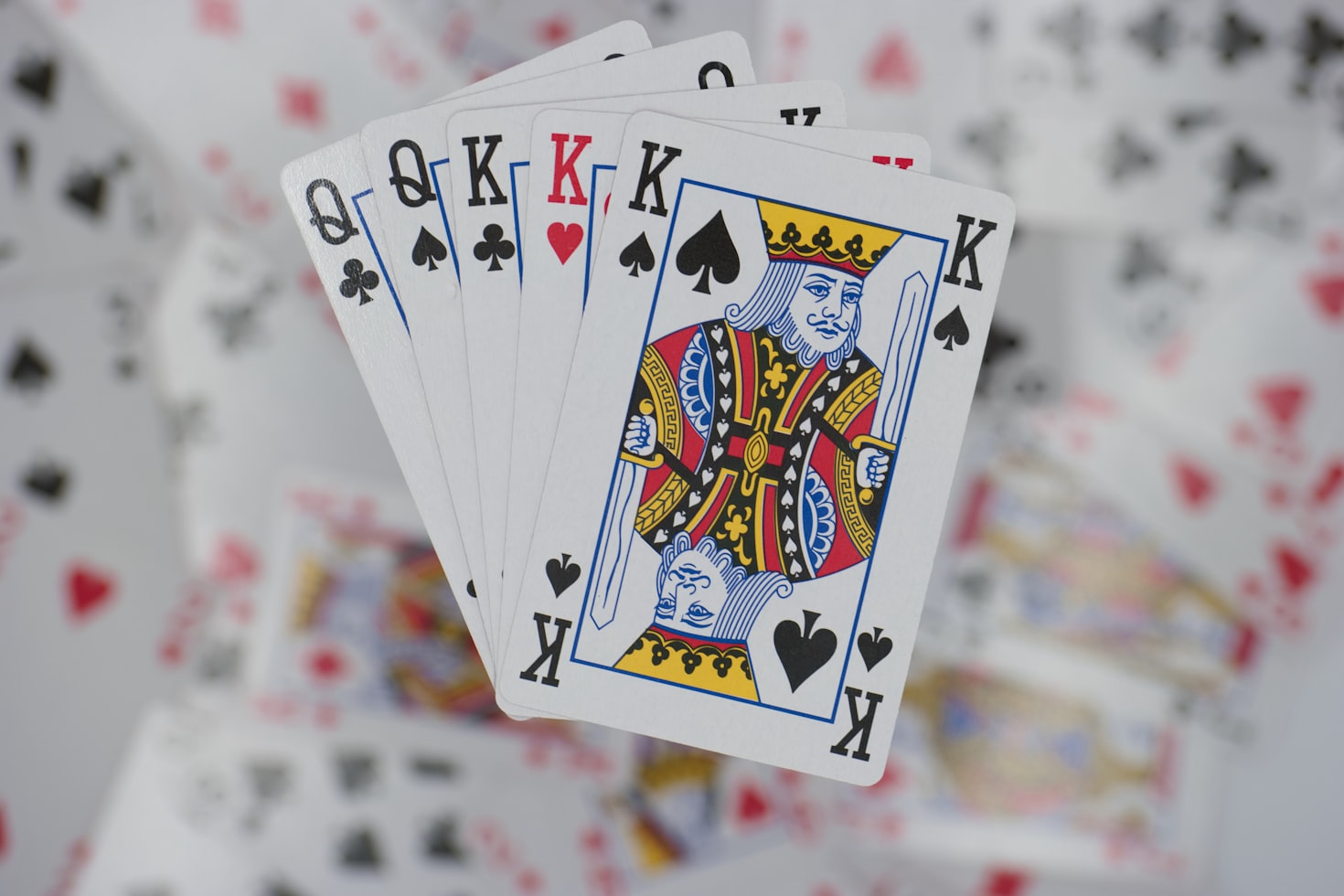
The illusion of control is another significant concept within gambling psychology. Gamblers often believe they have the power to influence game outcomes through skill or strategy, even in games that are purely chance-based. This illusion can further entrench individuals in the gambling experience, as the belief in their influence keeps them engaged in behaviors that may lead to losses. By acknowledging these cognitive biases, individuals can better navigate their gambling habits and make more informed decisions, ultimately reducing the risk of harmful behaviors.
The emotional rollercoaster of gambling
The emotional highs and lows associated with gambling are intense and can significantly impact players’ psychological well-being. The thrill of winning can create euphoric feelings, leading to a desire to replicate that success. However, the volatility of outcomes means that losses can also provoke strong emotional responses, including frustration, anger, and despair. This duality of emotions plays a key role in the gambling experience and can create a cycle of behavior that keeps individuals returning to the tables. Understanding this emotional rollercoaster is essential for recognizing how it affects decision-making.
The experience of winning and losing triggers differing emotional responses that can alter a player’s perception of their gambling activities. For some, the exhilaration of a win can overshadow the reality of losses, leading to an escalation in gambling behavior. Players may convince themselves that they are on the brink of another big win, which can result in continued gambling despite previous losses. This emotional dependence can lead to an unhealthy relationship with gambling, characterized by denial and an inability to recognize the adverse effects on their lives.
Additionally, the aftermath of gambling can leave many grappling with feelings of guilt and shame, especially after significant losses. These emotions can further complicate one’s relationship with gambling, as individuals may gamble again to alleviate these negative feelings or escape from their problems. Recognizing and addressing these emotional complexities is crucial for understanding the psychology of gambling and for those who may be struggling with their gambling habits. The cycle of emotions can lead players into a deeper engagement with gambling, making it essential to develop coping strategies to manage these feelings.
The impact of marketing and environment on gambling behavior
The strategic marketing techniques employed by casinos play an influential role in shaping gambling behavior. From enticing bonuses to loyalty programs, casinos create a compelling narrative that fosters repeat visits and increased spending. These marketing strategies often prey on the emotional triggers of potential gamblers, highlighting dreams of wealth, fun, and excitement. By crafting an appealing narrative, casinos can draw individuals into their establishments, even if they may not have initially intended to gamble. This calculated approach to marketing is integral to the success of casinos.
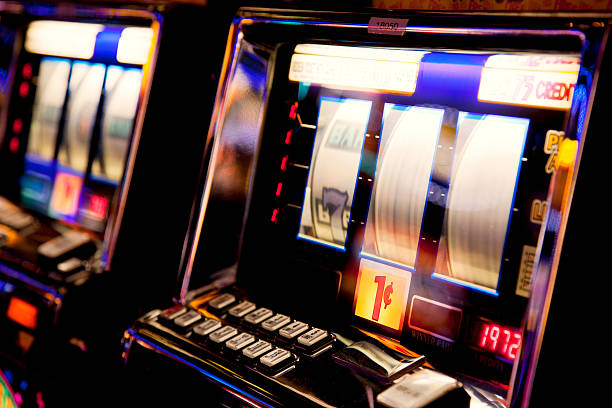
The physical environment of a casino further reinforces this behavior. The design of gaming floors, with their bright colors, captivating sounds, and absence of clocks, creates a disorienting atmosphere that encourages prolonged play. This strategic layout makes it challenging for players to keep track of time and their spending, often leading to impulsive decisions. Each element of the environment is tailored to heighten excitement and distract from the consequences of gambling, making it difficult for players to maintain control over their actions. The sensory overload can create an immersive experience that feels almost hypnotic.
Moreover, the presence of near misses—situations where players come close to winning—can significantly heighten the desire to continue playing. This psychological tactic creates an illusion of potential victory that can keep players engaged longer than they intended. Players may leave feeling that they were “almost” successful, encouraging them to return in hopes of achieving the win. The amalgamation of effective marketing and a carefully designed environment helps cultivate a culture of gambling that can be hard to resist for many individuals. This blend of psychological manipulation and physical design contributes to the overall gambling experience.
Understanding responsible gambling and seeking help
As the complexities of gambling psychology become more evident, the importance of responsible gambling emerges as a crucial topic. Players are encouraged to establish limits on their time and spending before engaging in gambling activities. Setting these boundaries can help individuals enjoy the thrill of gambling while protecting themselves from the potential pitfalls of addiction. Awareness of one’s emotional state and the motivations behind gambling can also contribute to more responsible behavior. Education about the risks associated with gambling is essential for fostering a safer gambling environment.
For those who find themselves struggling with gambling-related issues, seeking help is vital. Numerous resources are available, from support groups to counseling services dedicated to addressing gambling addiction. Understanding that gambling can lead to serious emotional and financial consequences is crucial for individuals and their loved ones. These resources can offer support and strategies to help individuals regain control over their gambling behavior. Encouraging conversations about gambling addiction can destigmatize the issue and lead to more people seeking help.
Ultimately, fostering a culture of responsible gambling involves education and awareness. Establishing open dialogues about the risks and realities of gambling can empower individuals to make informed choices. By understanding the psychological factors at play, those who gamble can develop healthier relationships with gaming activities, ensuring that the thrill remains just that—an enjoyable pastime rather than a destructive compulsion. Promoting responsible gambling practices not only benefits individuals but also contributes to a healthier gaming community overall.